
Every day we fight for a world where all children have access to adequate nutrition as a basic human right, ensuring that no child needlessly suffers and dies from malnutrition. Over the past 15 years, our therapeutic foods have helped save the lives of more than 28 million children in 65 countries.
We continue to respond to the needs of malnourished children around the world, wherever they are. Our Children Can’t Wait campaign is particularly focused on emergency support for the countries/regions outlined below. With your generosity, we will continue to save lives – one child, one box, one pallet, and one truckload of life-saving food at a time!
(click on a country/region below to learn more)

Chad continues to endure one of the most severe child malnutrition crises in the world. According to recent data from UNICEF and the WFP, approximately 1.9 million children under the age of five in Chad are affected by acute malnutrition, including more than 600,000 suffering from severe acute malnutrition, the most life-threatening level of hunger. A recent report indicated that 25 out of 28 provinces face “critical” or “serious” levels of child malnutrition. Food insecurity has worsened due to prolonged droughts, erratic rainfall, and ongoing conflict in neighboring countries that have brought hundreds of thousands of refugees into Chad. Limited access to clean water, poor healthcare infrastructure, and high poverty rates—over 42% of the population lives below the national poverty line—further exacerbates the crisis. In recent months, Edesia has partnered with UNICEF, ALIMA, the International Medical Corps (IMC), and the International Rescue Committee (IRC) to provide 2.62 million packets (258,992 pounds) of therapeutic food to Chad. It is clear much more food aid will be needed in Chad as we look ahead to 2026.

The Democratic Republic of the Congo (DRC) remains one of the country’s most affected by severe acute malnutrition. According to recent estimates from UNICEF and the WFP, approximately 4.4 million children under the age of five are suffering from acute malnutrition, including more than 1.2 million with severe acute malnutrition requiring urgent treatment. The crisis is fueled by ongoing armed conflict in eastern provinces, mass displacement—over 5 million people are currently displaced within the country—and widespread food insecurity that leaves nearly 27 million people without reliable access to adequate food. Compounding these issues are poverty, poor access to clean water and healthcare, and disease outbreaks such as measles and cholera, which increase vulnerability to malnutrition. Largely fueled by the support of the US State Department, along with UNICEF and the International Rescue Committee (IRC), so far in 2025 Edesia shipped 15 million packets (2.7 million pounds) of life-saving food. Edesia continues to seek donations for food aid in DRC to complement the efforts of the international community.
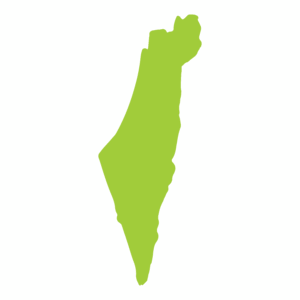
Despite recent progress, the malnutrition crisis in Gaza remains staggering. According to the World Food Programme (WFP) more than 640,000 people – nearly a quarter of Gaza’s population – are enduring famine-like conditions, while the remaining population is facing emergency levels of hunger. Young children are among those suffering the most. Over 132,000 children are at risk of death from severe acute malnutrition over the next 6-7 months. This number has nearly doubled since estimates from this past May. Essential nutrition services have collapsed with infants lacking access to safe water, breastmilk substitutes, shelter, and therapeutic feeding. Thanks to donor support and a unique coalition of NGO partners – IsraAID, Multifaith Alliance (MFA), Gaza Children’s Village, International Medical Corps (IMC), and All Hands & Hearts – Edesia has sent more than 4.2 million packets (427,000 pounds) of life-saving food to young children and pregnant/lactating mothers in Gaza. As the headlines fade, with your generosity Edesia and its coalition partners will continue to support the people of Gaza through the difficult winter months ahead.

For the past eight years, Nigeria has consistently ranked in the top ten in terms of populations affected by a major food crisis. In 2024, Nigeria had the world’s highest number of people unable to access sufficient food, a staggering 31.8 million. Conflict, rising inflation and the impact of the climate crisis—record-breaking heat in recent years accompanied by floods and droughts—continue to drive widespread hunger. Nigerian children are the ones that feel these impacts the most. According to UNICEF, an estimated 2 million children in Nigeria suffer from severe acute malnutrition, which is the second highest burden in the world—a prevalence rate of 32% of children under five. Through collaboration with partners and the leadership of the Nigerian government, Edesia has helped to introduce a program that provides our prevention product, Nutributter, to every six-month-old+ child. This new initiative will dramatically expand in 2026, making Nigeria the host of the largest national effort in Africa to prevent malnutrition. Edesia seeks additional funding to leverage the support of the government and humanitarian organizations to maximize the impact of this groundbreaking initiative.

Consecutive climate shocks have plunged Somalia further into a child malnutrition crisis. On November 10, the Federal Government of Somalia formally declared a drought emergency and appealed for urgent international assistance. In many Somali regions, this is the worst drought communities have experienced in years, with no rainfall since 2024. Millions of families are suffering; water sources have dried up, crop yields have collapsed, and livestock have perished or become unsustainable. As a result, basic necessities like food, water and sanitation are increasingly scarce, putting the Somali people, and children especially, at risk of starvation. According to the latest assessments by the World Food Programme (WFP) and the UN, 1.85 million children under the age of five in Somalia are now expected to suffer acute malnutrition through mid-2026. Thanks to the support of the US Government, in recent months Edesia has sent 9.76 million packets of Plumpy’Nut (RUTF) to the children of Somalia. Much more lifesaving support will be needed in the first half of 2026 to avoid a dramatic spike in childhood mortality.

Sudan is in the midst of a cataclysmic hunger crisis driven by ongoing civil conflict, economic collapse, and widespread displacement. Now in its third year, the war in Sudan continues to devastate communities. According to the WFP and UNICEF, over 21 million people— approximately 42% of Sudan’s population—are experiencing acute food insecurity, with more than 3.6 million children under the age of five suffering from acute malnutrition, including nearly 730,000 who are facing life-threatening severe acute malnutrition. Fighting between rival military factions has devastated food supply chains, restricted humanitarian access, and displaced more than 12 million people – the largest internal displacement crisis globally. Hospitals and nutrition centers have been looted or destroyed, and food prices have soared by over 120% since the conflict began in 2023. Aid agencies warn that without immediate and sustained humanitarian assistance, Sudan could see catastrophic levels of famine in several regions before the end of 2026. Edesia is in the process of sending an emergency shipment of Plumpy’Nut (RUTF) and Plumpy’Sup (RUSF) to the Darfur region totaling 1.28 million individual packets or 260,145 pounds of therapeutic food. Edesia is also working with leading aid agencies on the ground to create an ongoing, critical supply chain of therapeutic food in 2026 from our pre-positioning warehouse in Ghana through Chad and into Sudan.

South Sudan has consistently been identified as a country with among the most dire ongoing malnutrition conditions in the world. The continued deterioration in food security is linked to a combination of violent conflict, extreme climate events, internal displacement, and spiraling costs of food and fuel. The Integrated Food Security Phase Classification, a coalition involving governments, UN agencies, and front-line humanitarian aid organizations, suggests that over 1.7 million people are facing critical levels of food insecurity (IPC Phase 4). A further 41,000 people are facing catastrophic levels of acute food insecurity (IPC Phase 5). Children are among the most vulnerable, with mid-2025 UN reports suggesting that 650,000 children under 5 years of age were suffering from severe acute malnutrition, the deadliest form of hunger. This summer, thanks to private donor support and a partnership with Ocean State Job Lot, Edesia shipped 1.28 million individual packets of lifesaving Plumpy’Nut (RUTF) or 260,145 pounds to World Vision. We are also seeking funds to secure a significant and ongoing supply pipeline for 2026 to support an NGO coalition led by Action Against Hunger (ACF) and International Medical Corps (IMC).

Uganda hosts the largest refugee population in Africa, with over 1.9 million refugees; 78% of whom are women and children fleeing violence and conflict in South Sudan and Democratic Republic of the Congo (DRC). Despite the growing needs, unprecedented international aid cuts have severely impacted the refugee population. Monthly food rations for 1 million refugees were completely eliminated by the World Food Programme (WFP) and reduced by 80% for the majority of others. WFP closed the maternal child health and nutrition program in all locations across Uganda. The United Nations High Commissioner for Refugees (UNHCR) in Uganda, which has been the other lead international agency coordinating health and nutrition services for refugees, has also experienced deep funding cuts, leaving only a handful of full-time staff members to support the government and humanitarian aid agencies. Not surprising with these conditions, malnutrition rates are skyrocketing and, as of early November, UNHCR reported they had no supply of Plumpy’Nut (RUTF) in the central medical warehouse. Thanks to donor support and partnership with the Church of Jesus Christ of Latter-Day Saints, Edesia is urgently shipping 1.79 million individual servings of Plumpy’Nut (RUTF) or 364,000 pounds in coordination with UNHCR, Hope Health Action, and Medical Teams International. Much more funding and live-saving therapeutic food will be needed in the first half of 2026.